
Beyond the Avocado Oil Outrage: Supply Chains, Fear Culture, and Taking Back Control
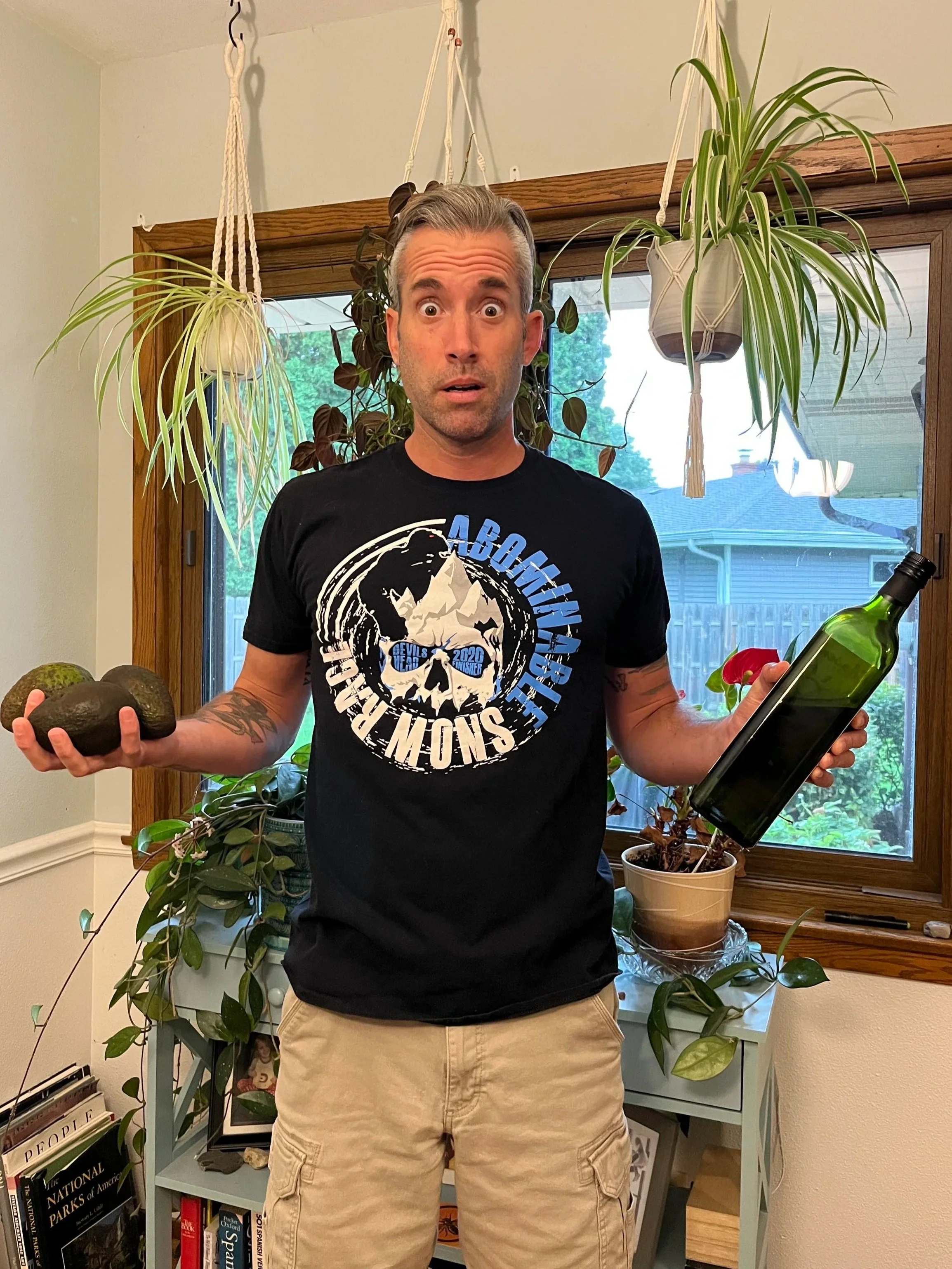
Reactions to the UC Davis avocado oil study range from outrage to panic—but taking a measured look reveals a different story.
In the health and wellness world, it feels like we’re always one headline away from another collective freak-out.
The latest outrage cycle centers on a new University of California, Davis study regarding avocado oil products, specifically chips, mayonnaises, and salad dressings marketed as using avocado oil, often as the only oil listed on the label. The study tested products off store shelves and found that a staggering number of them fell outside the compositional markers expected of authentic avocado oil, showing evidence that other oils may have been present.
Predictably, social media ignited. Influencers and bloggers immediately jumped on the news, declaring a grand conspiracy against consumers and framing brands like Primal Kitchen and Chosen Foods as nefarious actors deliberately lying on their labels.
If you’ve been following me for any amount of time, you know I don't buy into rage-bait.
A few friends and several of my clients have reached out asking for my take. So let’s strip away the clickbait, look at what’s actually happening, and talk about what this means for your personal health journey.
1. Malice vs. Supply Chain Reality
Let’s clarify a few things right off the bat.
To address the elephant in the room, I work for the Primal Health Coach Institute, PHCI. While PHCI shares a founder in Mark Sisson, we are a completely separate entity from Primal Kitchen, which was sold to Kraft Heinz back in 2019.
Mark Sisson built his legacy on introducing clean, ancestral ingredients to the mainstream market, and Primal Kitchen was born out of a genuine desire to give consumers better choices. While I don't agree with every formulation change that occurred after the acquisition, for instance, the introduction of potato starch into certain products was disappointing for me personally, as nightshades irritate my psoriasis and autoimmune issues, I have no reason to believe these brands are deliberately deceiving their customers about their oil sources.
What seems far more plausible, and what the researchers themselves have pointed to, is an unintended supply chain breakdown.
When major health food brands buy avocado oil, they purchase it in massive quantities from third-party bulk suppliers and brokers around the world. If a supplier upstream blends or cuts that oil with cheaper alternatives before sending it downstream, the brand itself may have no idea that its ingredient is not 100% pure unless rigorous testing is happening throughout the supply chain. That does not remove the responsibility of the brand to verify what it is buying, but it does make the situation more complicated than simply assuming the company name on the bottle knowingly committed fraud.
There is also legitimate discussion around how avocado oil purity is defined and tested. Natural variables like harvest timing, growing region, avocado variety, and processing can alter an oil’s fatty acid and sterol fingerprint. The UC Davis researchers accounted for some of this variation by allowing a margin of deviation in their testing, and they also examined whether processing itself significantly altered the markers they were measuring. That doesn't make the study meaningless or give companies a free pass, but it does remind us that food testing is often more nuanced than a social media headline makes it sound. Avocado oil standards are also still relatively new compared with olive oil, which has been studied and benchmarked for decades.
2. Why This News Is Actually a Win
Instead of viewing this study as a reason to panic, we should view it as a necessary step forward.
This study does not establish that the brands sitting on store shelves deliberately deceived consumers. What it does expose are vulnerabilities within a fast-growing, premium ingredient supply chain. Now that the problem has been brought into the open, companies have both the opportunity and the incentive to demand greater transparency from suppliers, improve testing, tighten quality controls, and hold the industry accountable.
Outrage gets clicks, but constructive oversight builds better food systems.
3. The True Cost of Outsourcing Your Health
Beyond supply chains and chemical profiles, this situation highlights a much deeper, foundational principle: the hidden cost of convenience.
When we buy pre-made mayo, bottled dressings, or packaged chips, we are outsourcing part of our nutrition to third-party manufacturers. Even when those companies are well-intentioned and mission-driven, any time you rely on a multi-tiered global supply chain, you surrender a degree of ownership over what ultimately ends up on your plate.
There are always trade-offs to convenience. Some are minor, but over time, they add up.
If you want greater certainty about what goes into your body, one of the most empowering moves you can make is to reclaim more of your own kitchen.
Make your own dressing. Grab a bottle of high-quality extra virgin olive oil, which has far more established purity standards, squeeze in some fresh lemon or add a splash of apple cider vinegar, a dab of mustard, salt, and pepper, then shake it in a mason jar. It takes about 60 seconds.
Make your own mayo. An egg, a squeeze of lemon juice, a pinch of salt, and an oil you trust, whipped with an immersion blender, takes just a couple of minutes and gives you control over the ingredients you are combining. Making it yourself does not magically eliminate questions about the oil supply, but it does remove several other layers of processing, additives, and manufacturing from the equation.
Interestingly, the UC Davis researchers also tested processed foods made with olive oil, and those products performed dramatically better than the avocado oil products they tested. That does not mean every bottle of olive oil is automatically perfect, but it does reinforce the value of choosing ingredients with more established purity standards when possible.
The Bottom Line: Vote with Your Wallet, Not with Fear
Health culture today thrives on paranoia. Every week there’s a new ingredient to fear or a new company to cancel. But fear is a terrible foundation for long-term healthspan.
Should you throw away every product in your pantry today? I don't think so. I personally still use products from companies like Chosen Foods and other selective clean brands when convenience calls, while opting for homemade solutions whenever possible.
We vote with our wallets. As more information comes out and companies issue formal responses, investigate their supply chains, and make whatever corrections are necessary, we can make informed decisions as calm, rational consumers.
Real health isn't about finding a perfect packaged food. It's about building a sustainable, real-food lifestyle where you take greater ownership of what you eat.
